Industry
Afghan fashion relies on fabric merchants, trim suppliers, embroiderers, tailors, finishers, and stylists. TaaraLine works like a small atelier, planning material choices and handwork hours around each garment instead of chasing volume.
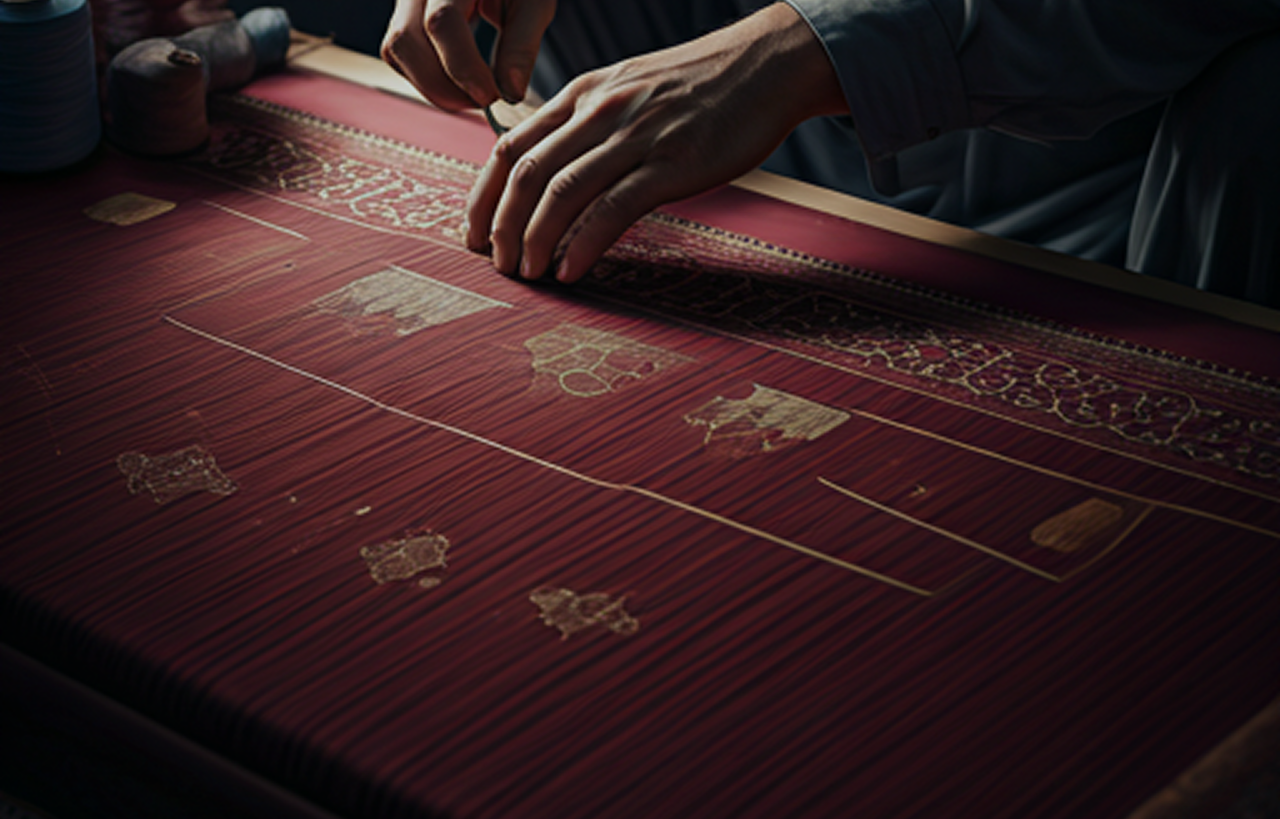
Industry, culture, craftsmanship
TaaraLine looks at heritage as a full ecosystem: the textile industry that supplies the materials, the culture that gives garments meaning, and the craftsmanship that turns cloth into ceremonial dress.
Heritage pillars
The atelier treats Afghan fashion as more than visual reference. Each design decision considers how textiles are sourced, why garments are worn, and how handwork changes the value of a piece.
Afghan fashion relies on fabric merchants, trim suppliers, embroiderers, tailors, finishers, and stylists. TaaraLine works like a small atelier, planning material choices and handwork hours around each garment instead of chasing volume.
Dress carries memory into weddings, Eid gatherings, engagements, and family celebrations. Color, veil styling, jewelry, and ornament help a woman show belonging while still expressing her own presence.
The value of a TaaraLine piece lives in patient decisions: balanced volume, clean lining, border placement, bead density, and embroidery that feels considered from a distance and close to the hand.
Fashion history
Afghan womenswear has long balanced ornament, utility, and occasion. Silk routes, city tailoring, nomadic movement, family ceremonies, and regional textile markets all shaped garments that could signal beauty, belonging, and skilled work.
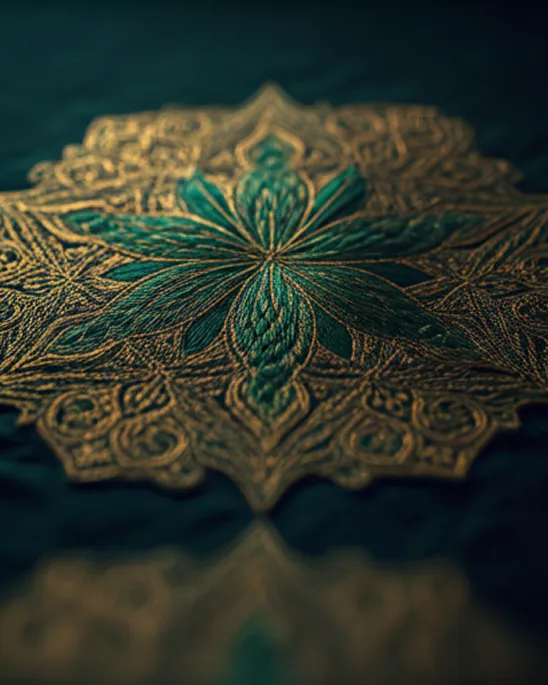
Culture in the garment
Small reflective details catch light during movement, giving ceremonial dress a sense of music, festivity, and presence.
Repeating borders frame the garment and connect the silhouette to regional rhythm, family memory, and inherited textile language.
Floral embroidery softens structured panels, balancing strength, refinement, and feminine elegance.
Craftsmanship process
The process is slow by design. A TaaraLine piece is built through material planning, proportion, hand placement, finishing, and fitting instead of fast production cycles.
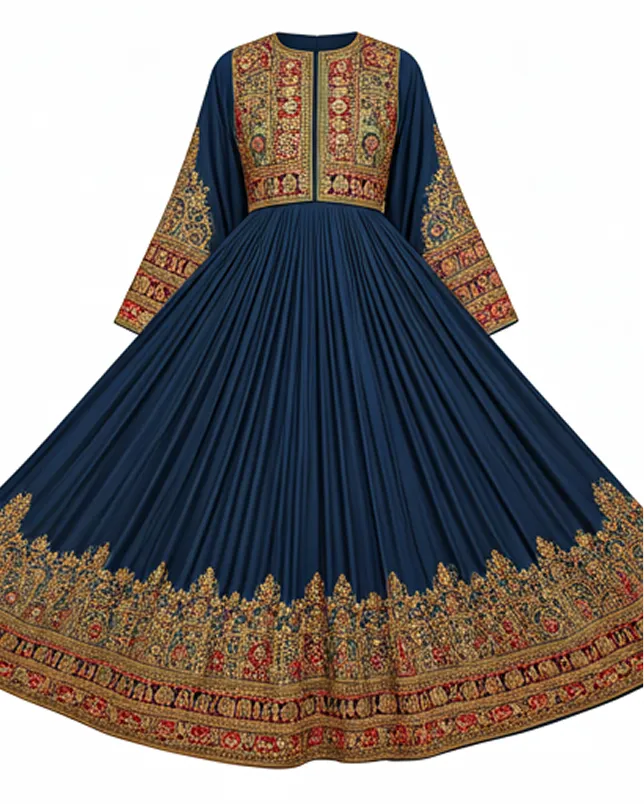
Regional culture
Kabul: polished city tailoring, refined veils, precise trims, and an atelier sense of finish.
Kandahar: saturated reds, gold thread, strong ceremonial contrast, and confident occasion dressing.
Herat: fine needlework, floral rhythm, painterly surface detail, and graceful cultural refinement.
Nuristan: bold geometry, metal ornaments, and high-impact decorative panels with sculptural presence.
Badakhshan: mountain blues, layered fabric, and dramatic skirt movement shaped for celebration.
Industry timeline
Trade routes carried silk, dyes, metal ornaments, and pattern language through Afghan regions, helping local dress traditions absorb outside materials while keeping regional identity.
Tailoring, embroidery, trimming, and fabric selection developed through family workshops, city markets, and makers whose skill turned raw material into occasionwear.
Weddings, Eid, engagements, and family gatherings kept clothing tied to hospitality, identity, music, photography, and the public language of celebration.
TaaraLine connects industry discipline, cultural meaning, and hand craftsmanship through edited silhouettes, premium finishing, and made-to-order detail.
Artisan stories
Before cutting begins, fabric, trims, thread, and lining are reviewed together so industry choices support the cultural purpose of the garment.
Panels are worked slowly, with border placement checked against the whole garment so detail supports the silhouette.
Volume is balanced through shoulder line, sleeve fall, lining weight, and the way the skirt opens in motion.